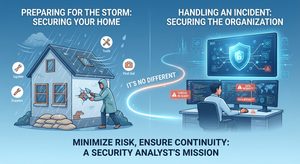
Breaking into the cybersecurity field requires a balanced mix of human centric abilities and specialized technical know how. Whether you are transitioning from another industry or brushing up on your expertise, understanding the essential competencies can set you up for long-term success.
Essential Transferable Skills
You have likely already developed many transferable skills through your life experiences that will help you thrive as a security professional:
- Communication: You will need to collaborate effectively with others, bridging the gap between technical and non-technical stakeholders to mitigate security issues quickly.
- Problem-solving: Proactively identifying attack patterns and determining efficient risk-reduction solutions is a daily task. Remember that perfect solutions are rare, meaning compromise and calculated risk-taking are often necessary.
- Time management: Having a heightened sense of urgency allows you to prioritize tasks appropriately, minimizing potential damage and protecting critical assets.
- Growth mindset: Technology evolves rapidly, making a continuous willingness to learn an essential trait throughout your career.
- Diverse perspectives: Respecting and encouraging diverse viewpoints helps security teams uncover multiple, better solutions to complex problems.
Core Technical Skills
As you progress through professional training, you will build hands-on technical proficiency across several critical tools and concepts:
- Programming languages: Programming enables you to automate time-consuming tasks like searching data for threats or analyzing security patterns.
- Security Information and Event Management (SIEM) tools: These tools collect and analyze log data such as unusual login behavior to help analysts monitor critical activities and efficiently spot vulnerabilities.
- Intrusion Detection Systems (IDSs): IDSs are key organizational tools used to monitor system activity and networks for malicious actions like unauthorized access.
- Threat landscape knowledge: Staying updated on modern threat actors, malware variants, and methodologies allows security teams to build stronger defenses.
- Incident response: Following established policies and procedures ensures you can properly investigate, identify root issues, and remediate security alerts like malware attacks.