Technology changes fast and so do the tactics used by cyber attackers. As digital infrastructure evolves, security professionals must continually grow their skills to protect sensitive information.
If you are wondering what a career in cybersecurity looks like, let’s break down the core day-to–day responsibilities of an entry-level security analyst.
Core Responsibilities of a Security Analyst
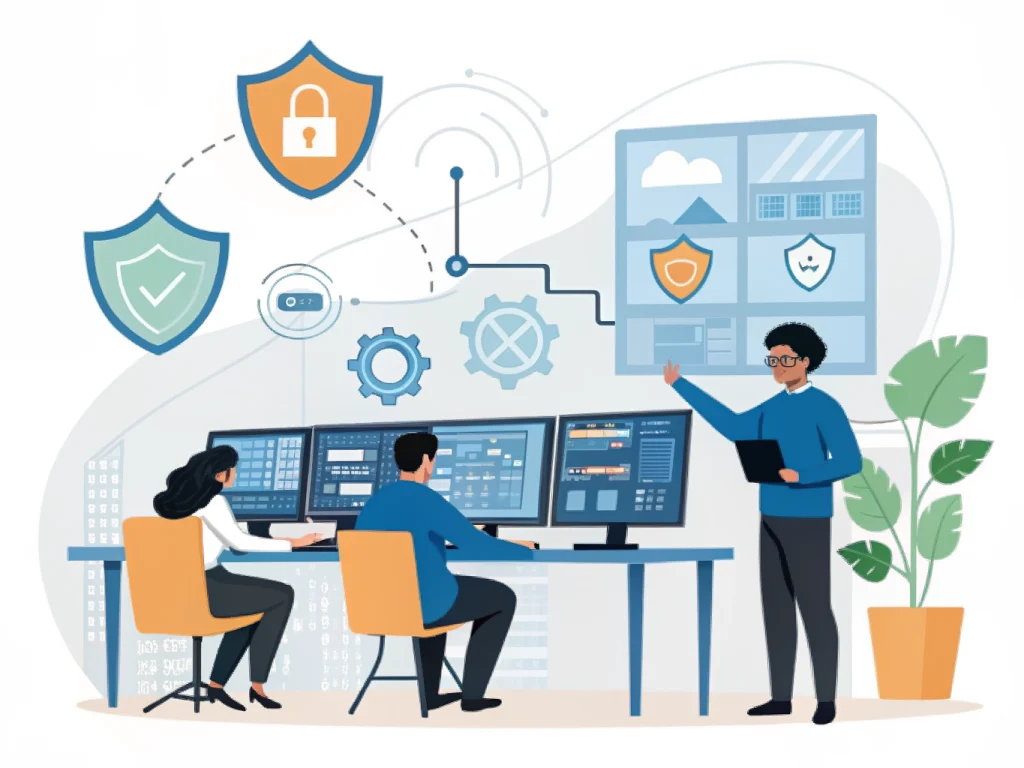
Security analysts are primarily responsible for monitoring and protecting an organization’s information and systems. Their daily work generally spans three major areas:
1. Protecting Computer and Network Systems
- Network Monitoring: Analysts actively monitor internal networks. If a threat is detected, they are usually the first responders.
- Penetration Testing & Ethical Hacking: To find weaknesses before attackers do, analysts participate in ethical hacking. They attempt to hack their own organization’s network to identify vulnerabilities and strengthen defenses.
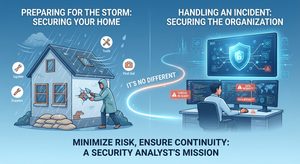
Think of it like locking your car and then checking the door handles to make sure no one can get inside your valuables.
2. Proactive Threat Prevention
- Collaborating with IT Teams: Analysts work alongside IT staff to install prevention software that identifies risks and vulnerabilities before they turn into attacks.
- Product Security in Development: They often team up with hardware and software development teams to build secure processes and systems that meet data protection standards.
3. Conducting Periodic Security Audits
- Reviewing Records and Activities: A security audit involves reviewing an organization’s security logs, documents, and practices.
- Checking In-House Controls: For example, an analyst will ensure that confidential details like individual computer passwords are properly restricted and not accessible to all employees.
Why Security Analysts Matter Security analysts play a vital role across all sectors. Their daily tasks safeguard small businesses, large corporations, nonprofit organizations, and government agencies alike ultimately keeping the people served by those organizations safe and secure.